
Top-Rated Materials for Playground Mulch Installation Projects
Choose from leading options known for their reliability, safety features, and ease of use in playground mulch setups.
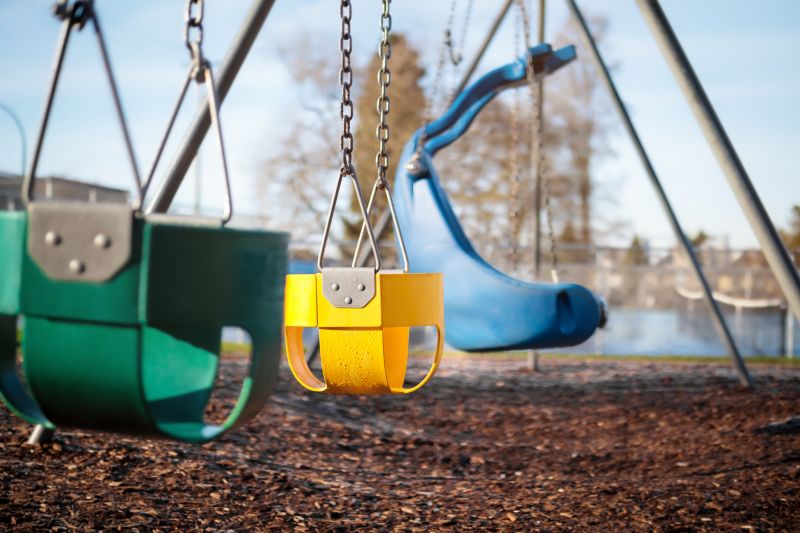 Selecting the right products for playground mulch installations is essential for creating a safe and inviting play environment. The core component of any playground safety surface is the mulch material, which cushions falls and reduces injury risk. There are various options available, ranging from organic mulches like wood chips and shredded bark to synthetic rubber materials. Each type offers different benefits in terms of shock absorption, maintenance, and aesthetic appeal. Proper installation and regular maintenance of these materials can help ensure the safety and longevity of a playground surface.
Top Overall Option
Premium Playground Mulch Material
A high-quality organic mulch designed specifically for playground safety, offering excellent shock absorption and easy installation. This versatile material is suitable for various playground sizes and provides a natural appearance while meeting safety standards.
Types of Products For Playground Mulch Installations
Wood Chips
Natural wood chips provide a traditional look and effective cushioning for playground surfaces.
Shredded Bark
Shredded bark offers a textured surface that helps with drainage and shock absorption.
Rubber Mulch
Synthetic rubber mulch provides consistent shock absorption and low maintenance requirements.
Engineered Wood Fiber
Engineered wood fiber is processed for uniformity and safety, often used in public parks.
Recycled Rubber Tiles
Interlocking rubber tiles create a smooth, resilient surface for playgrounds.
Cedar Mulch
Cedar mulch offers natural insect resistance and an appealing aesthetic.
Pea Gravel
Pea gravel provides a loose, permeable surface suitable for certain play areas.
Sand
Sand is a traditional playground surface that offers good drainage and natural feel.
Polypropylene Playground Mats
Durable mats made from polypropylene provide impact absorption and easy installation.
Foam Padding
Foam padding under mulch layers adds additional impact protection, especially for younger children.
Edging Materials
Edging materials help contain mulch and create a clean boundary around the play area.
Weed Barriers
Weed barriers prevent unwanted plant growth and help maintain mulch stability.
Underlayment Fabrics
Underlayment fabrics provide a stable base and enhance safety features of the mulch surface.
Popular Choices
Widely used in public parks for its safety features and ease of installation.
Offers consistent shock absorption and low maintenance needs.
A common natural option appreciated for its appearance and cushioning.
Interlocking tiles that provide a seamless, impact-absorbing surface.
Provides a textured, natural look with good drainage properties.
Natural insect resistance and aesthetic appeal make cedar mulch a popular choice.
Durable mats that are easy to install and maintain for impact absorption.
A loose, permeable surface that is simple to install and maintain.
A traditional surface providing natural cushioning and drainage.
Additional impact protection, especially for younger children.
Essential for containing mulch and defining the play area.
Help keep the area clean and free of unwanted plants.
Provide a stable base and enhance safety features of the mulch surface.
In addition to the mulch itself, accessories such as weed barriers, underlayment fabrics, and edging materials play a crucial role in maintaining the integrity of the installation. These components help contain the mulch, prevent weed growth, and create a clean, finished look. When choosing products for a playground mulch installation, it is important to consider factors like size, durability, safety standards, and ease of installation. A well-planned setup not only enhances safety but also contributes to the overall appearance and usability of the playground space.
Maintenance considerations are also important. Some mulch types require regular raking, replenishing, or replacement to maintain their protective qualities. Synthetic options often demand less ongoing upkeep but may have different installation requirements. Ensuring compatibility with existing playground structures and adherence to safety regulations should guide product selection. By carefully selecting the right combination of mulch and accessories, you can create a resilient and attractive play area suitable for children of various ages and activity levels.
Ultimately, the goal is to choose products that balance safety, durability, and cost-effectiveness. Consulting product specifications and safety standards can help in making informed decisions. Whether for a residential backyard or a public park, the right products can support a fun and secure environment for children to play and explore.
Key Buying Considerations
- Safety standards and certifications to ensure reliable shock absorption.
- Type of mulch material and its suitability for the specific playground environment.
- Ease of installation and whether professional help is needed.
- Maintenance requirements, including replenishing or replacing mulch over time.
- Drainage properties to prevent water accumulation and promote safety.
- Aesthetic appeal and how the mulch complements the surrounding landscape.
- Cost-effectiveness over the long term, considering durability and maintenance.
- Compatibility with existing playground equipment and accessories.
- Environmental factors such as weed growth and pest resistance.
- Impact on children’s safety, including slip resistance and stability.
- Availability of accessories like edging and weed barriers for a complete setup.
- Size and coverage area to ensure sufficient material for the intended space.
- Ease of removal or replacement when upgrades or repairs are needed.
- Local regulations or guidelines related to playground safety and materials.
- Environmental impact of the mulch material, if relevant to your preferences.